Every major technology shift arrives feeling unprecedented. The personal computer, the internet, the smartphone, social media. Each one was going to change everything, and each one did, just never in the way or on the timeline everyone first predicted. AI is the latest in that line. I tend to think history rhymes more than it repeats. We evolve, but certain patterns in how we respond to new technology show up again and again. Right now people are scrambling to wrap their heads around AI from every angle at once: how it works, what it can do, what it's going to mean for them. I've found three old ideas, drawn from psychology and economics, that help cut through the noise. None of them are about AI. All of them help ground us in where it actually is, and where it's headed.
Don't Trust the Surface
Moravec's Paradox
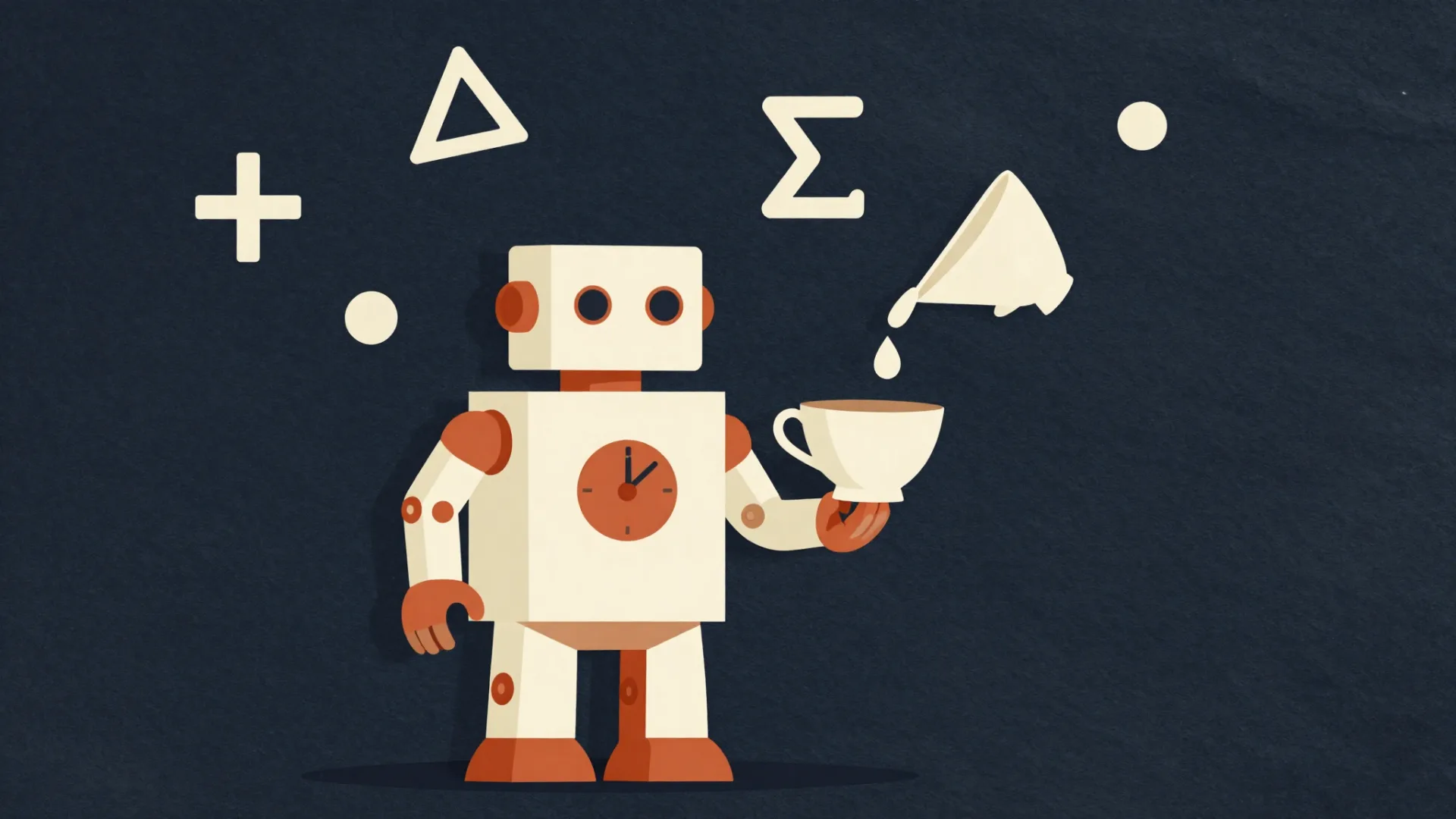
Back in the 1980s, roboticist Hans Moravec noticed something strange: the things we assume are hard for machines (logic, analysis, computation) turn out to be easy, while the things we find effortless (judgment, context, common sense) are the hardest of all to automate. We expected reasoning to be AI's final frontier. It was the easy part.
You see this every day with AI now. It will produce a polished, confident, professional-looking deliverable in seconds, and that deliverable can be flat wrong on substance. The format is flawless. The judgment underneath it isn't there. What AI still can't bring is the human layer: the expertise to catch what's wrong, the judgment to know if it's even the right output, and the context about your business the model was never given.
Here's the trap, and it's subtler than "people ship bad work." AI takes a business whose baseline was sloppy and lifts it to mediocre. That feels like a win, because it is better than before. So companies settle there. They pocket the small gain and never make the investment that would actually harness AI for the high-value, judgment-heavy work where it could transform the business. The surface improvement becomes the ceiling instead of the floor.
Don't Expect Less Work
Jevons Paradox
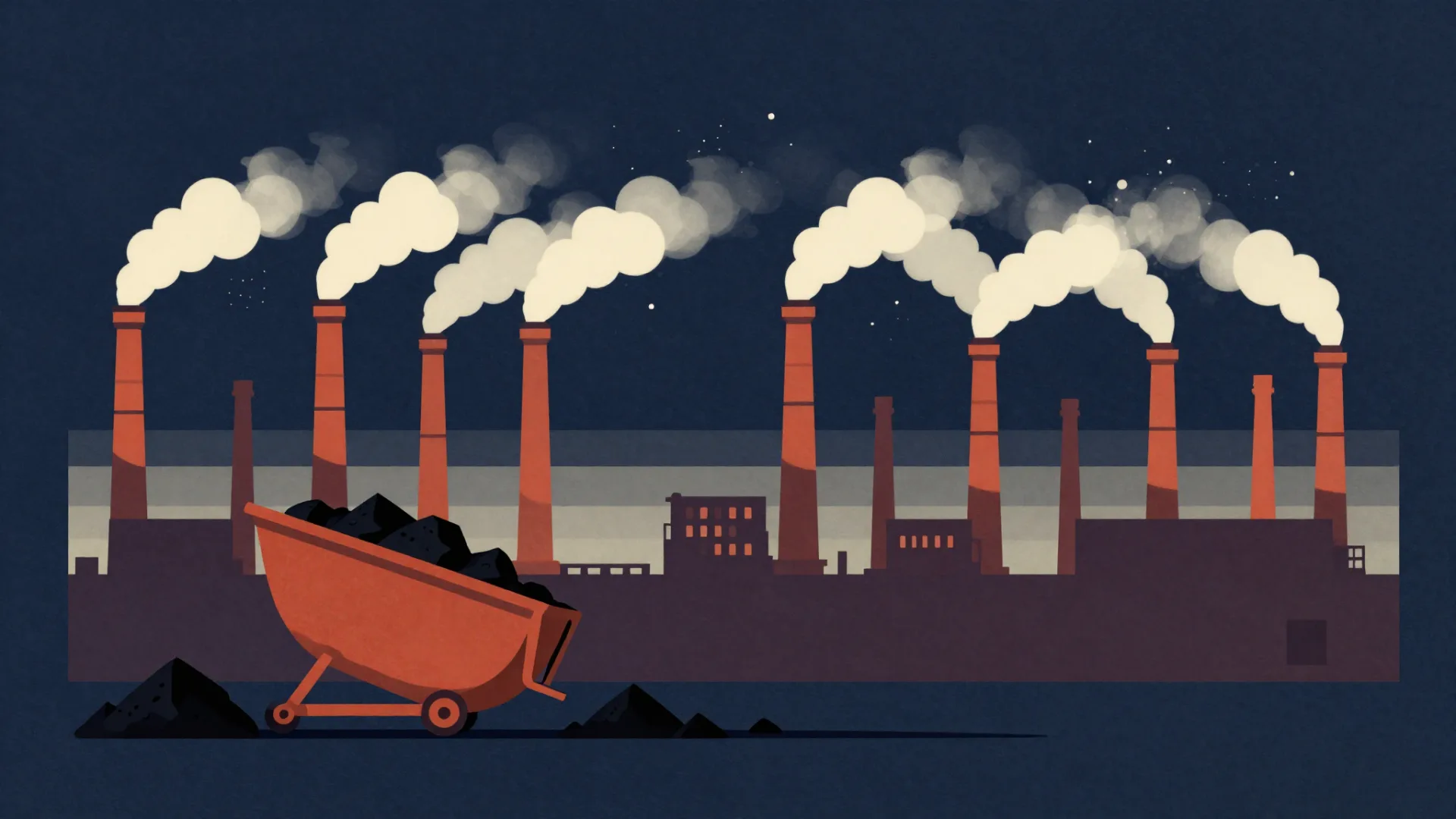
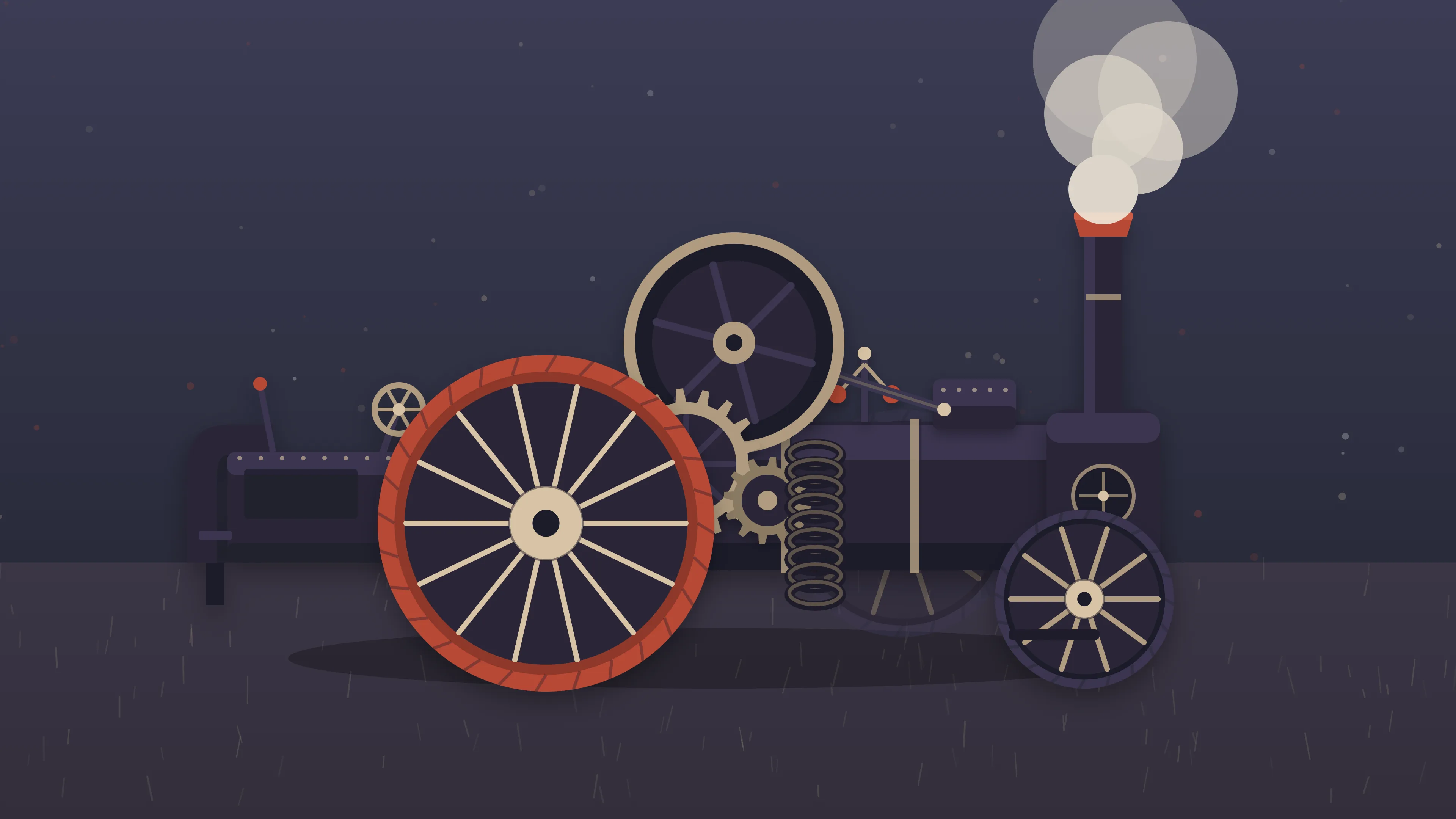
In 1865, economist William Stanley Jevons noticed that as steam engines got more efficient at burning coal, England didn't use less coal. It used dramatically more. Lower cost per unit drove demand up faster than efficiency brought it down. The counterintuitive rule: making something more efficient tends to increase how much of it we consume, not decrease it.
This is already playing out with AI, and it shows up as constant ideation. The moment a team realizes "we can do this in a tenth of the time now," the response is never to bank the time saved. It's "great, so let's do it," and then do ten more things like it. The work doesn't shrink. It multiplies, because everything that used to be too expensive to bother with is suddenly on the table.
The trap is that companies don't budget for the new work AI creates. They plan for savings and get a flood of new possibility instead. And here's the part that matters most: when execution gets cheap, the scarce resource becomes focus. Deciding what's worth doing, and in what order, is now the hard part. Planning and prioritization were always important. In the age of AI they're more important, not less, and they happen to be exactly what these models reward. A focused, well-sequenced ask gets a far better result than a scattered one. The businesses that win won't be the ones doing the most. They'll be the ones choosing the right things to do.
The businesses that win won't be the ones doing the most. They'll be the ones choosing the right things to do.
Don't Mistake the Lull for the End of the Story
Amara's Law
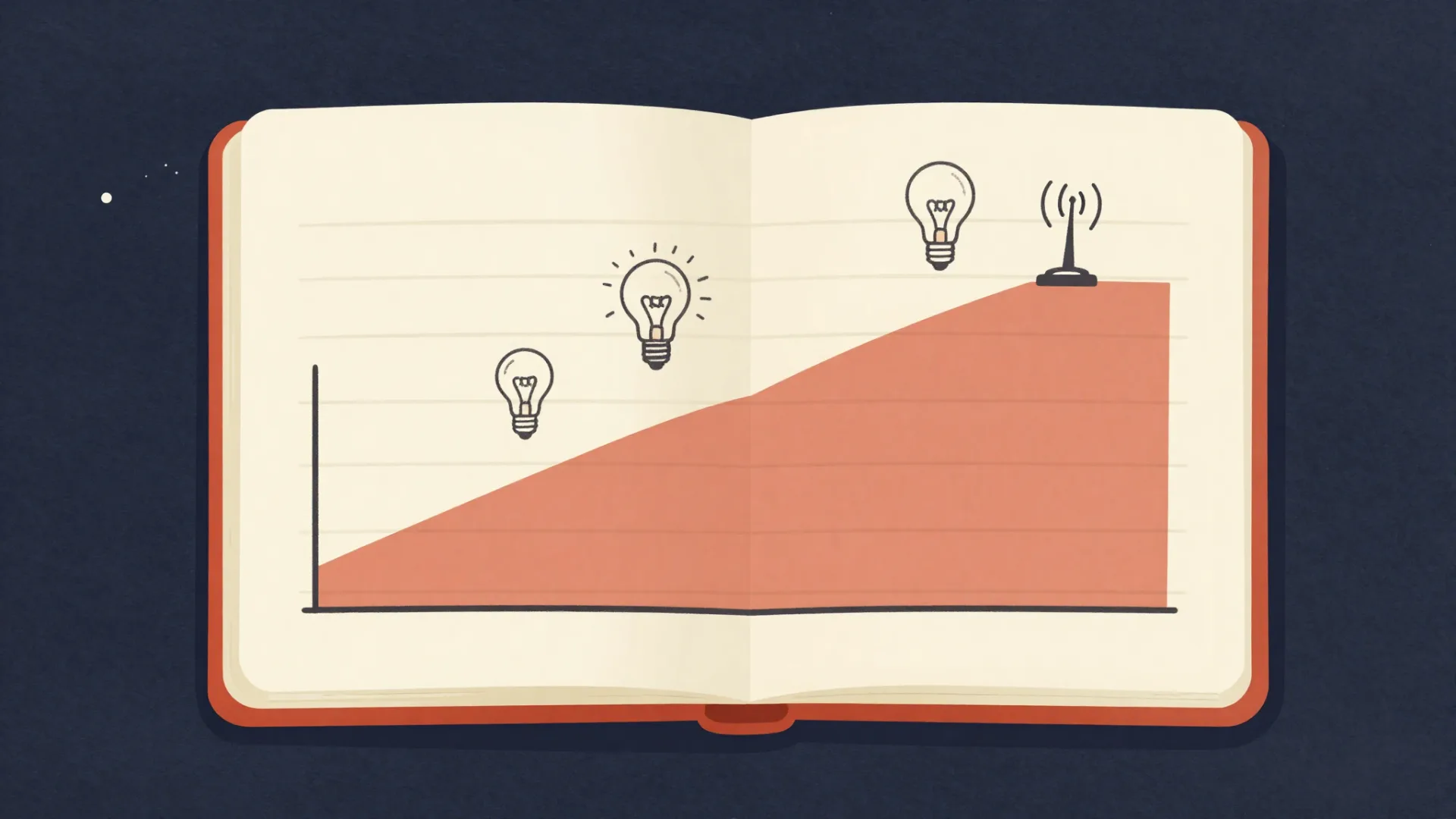
Futurist Roy Amara gave us the line that we overestimate a technology in the short run and underestimate it in the long run. The hype arrives early and overpromises. Reality disappoints. Everyone declares it overblown right before the real, slower transformation actually takes hold.
We're in the disappointment phase now, and you can see it in how organizations are behaving. The breathless predictions didn't pan out on schedule, the backlash set in, and a lot of businesses quietly concluded AI wasn't worth the trouble. So they stopped. But the lull isn't really about the technology. It's about organizations that never put a strategy or any training in front of their people. Even something simple, like defining one clear, repeatable way to use AI for a common task, can return real ROI. You just have to actually make the investment part of that equation. Most haven't, and they're reading their own inaction as proof the technology underdelivered.
Here's what I think the disappointment is causing people to miss. The improvement curve isn't only about humans getting better at using these tools. The models themselves are improving at an accelerating pace, increasingly by helping build the next generation of models. That's a compounding dynamic, closer to Moore's Law than to a normal software product cycle, and most people aren't stepping back to price it in.
So the move is the reasonable middle. Don't fall for the disappointment that's tempting so many organizations to disengage right now. Don't overinvest in a science-fiction future that isn't here yet either. The right place to be is in between: building real capability today while staying clear-eyed that the ground is still shifting under all of us.
The Through-Line
Notice what these three have in common. Moravec says don't trust the surface. Jevons says don't expect less work. Amara says don't mistake the lull for the end of the story. Each one is a case where the intuitive read on AI is the wrong one, and the businesses that get tripped up are the ones acting on the intuition instead of the reality. The edge right now doesn't go to whoever adopts the fastest or waits the longest. It goes to whoever sees clearly: what the tool is actually good at, what it does to your workload, and where this is really headed. That clarity is the work. It always has been.
Every article here is written to our AI standard. How we use AI →